

Alcohol is a common cause of liver disease because the liver filters alcohol. Each time a person drinks alcohol, some of the liver’s cells die, and new ones regenerate. Over time, heavy drinking can reduce a liver’s regenerative abilities and lead to alcoholic liver disease (ALD). This alcoholic liver disease typically starts as fatty liver disease and progresses to alcoholic hepatitis and, eventually, alcoholic liver cirrhosis. Alcohol alters the makeup of your gut microbiome — home to trillions of microorganisms performing several crucial roles for your health — and affects those microorganisms’ ability to support your immune system.
- Instead of going at it alone, take your first steps toward a new life and contact the experts at Ardu Recovery Center today.
- After completing the inpatient portion, you can continue on the road to recovery with our intensive outpatient program.
- Consequently, deficiency in vitamin A results in the impairment of mucosal responses (Mora, Iwata et al. 2008).
- While there is some evidence to support this, the scales seem to tip unfavorably.
- Alcohol misuse can cause short-term effects such as the common cold or gastrointestinal complications, but it can also lead to more serious conditions such as cancer, septicemia, or, liver disease.
Impact of ethanol on CNS resident immune cells
Surgeon General Vivek Murthy announced that he’s calling for alcohol bottles in the U.S. to carry a label that warns consumers about alcohol’s effect on cancer risk. Add on immune system depression, vitamin deficiency–related neurological diseases, and other ailments from years of living with a dysbiotic gut, and booze starts to look like Drano, eating up everything (good and bad) on its way down the pipe. “As you consider whether or how much to https://ecosoberhouse.com/ drink, keep in mind that less is better when it comes to cancer risk,” Murthy wrote Friday on the social media platform X. Research has conflicting findings on whether drinking in moderation has health benefits. Acute Respiratory Distress Syndrome (ARDS) is a serious condition that causes low levels of oxygen in your blood.
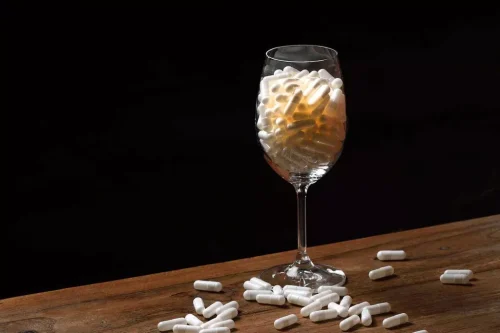
Urinary tract infection (UTI)
Excessive drinking suppresses your immune system and weakens key immune cells that combat infection. During the COVID-19 pandemic, Drug rehabilitation more and more people are facing isolation, fear, anxiety and stress. Alcohol use and misuse have increased during these difficult times, putting more people at risk for alcohol use disorder and a lowered immune system. While alcohol can significantly affect the immune system, many alcohol-related diseases can affect other parts of your body. Most alcohol-related diseases are more likely to occur in someone who has been using alcohol chronically. However, any alcohol use starts to raise your risk of an alcohol-related disease.
- Healthy habits, such as being active, eating a balanced diet, and getting enough sleep, can keep your immune system strong.
- When ALD reaches its final stage, known as alcoholic liver cirrhosis, the damage is irreversible and leads to complications.
- The Recovery Village at Baptist Health helps people recover from alcohol addiction with evidence-based treatment and compassionate care.
- They also offer evidence that alcohol-induced neuroimmune activation plays a significant role in neural degeneration and that the neuroendocrine system is involved in controlling alcohol’s effects on peripheral immunity.
- The innate teams provide a rapid first line of defense that works on any intruder.
Video about a medical complications cause by extended alcohol use.
“Healthy gut bacteria is not used to metabolizing alcohol, so other bacteria may be sending signals to the brain”—telling you that you want more. The International Wine and Spirits Record (IWSR) reports that the nonalcoholic industry grew in the United States by nearly 30 percent between 2022 and 2023, while sales of the real thing fell worldwide with the U.S. spirits market slumping by 2 percent. Perhaps counterintuitively, the trend is driven by younger consumers, who are drinking far less than my generation did when we were bingeing in the 1980s. Over half of drinking-age Gen Zers reported not drinking at all in the six months prior to being surveyed. The United Kingdom, France, Denmark, Holland and Australia recently reviewed new evidence and lowered their alcohol consumption recommendations. These studies compare people with a gene variant that makes it unpleasant to drink to people without the gene variant.


If you’d like to reduce or quit drinking, there are innovative new options for support. Online programs like Ria Health offer customized care from home, without disrupting your daily life. Ria provides access to anti-craving medications, weekly coaching meetings, expert medical advice, and more—all from an app on your phone. Like many people, you may still want to enjoy alcohol without compromising your immune system.
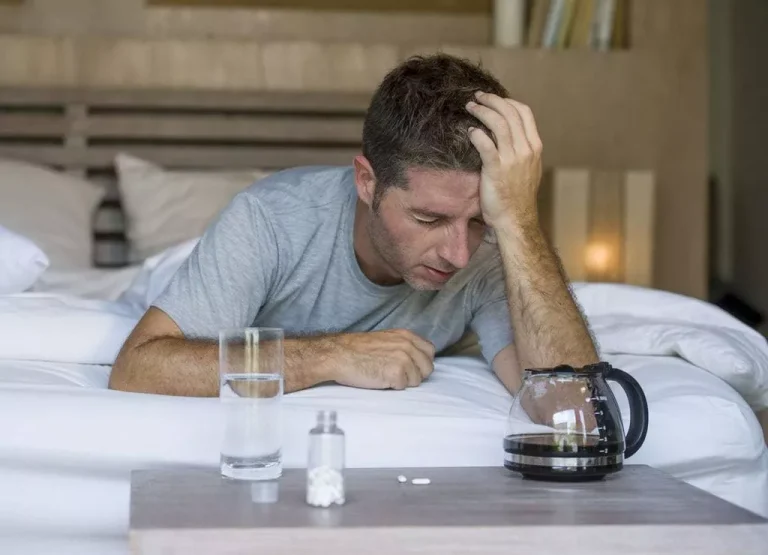
Medical
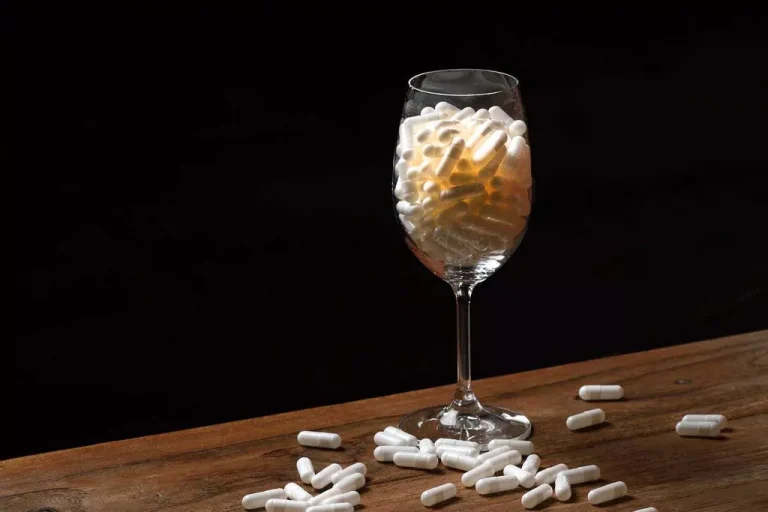
Alcohol can either activate or suppress the immune system depending on, for example, how much is consumed and how concentrated it is in the various tissues and organs. That dual action predisposes does alcohol lower immune system heavy drinkers both to increased infection and to chronic inflammation. These articles detail how alcohol affects the immune system and how researchers are harnessing this knowledge to help prevent and treat alcohol-related harm.
There is evidence in a number of physiological systems that binge alcohol intake complicates recovery from physical trauma (see the article by Hammer and colleagues). Molina and colleagues review research showing that alcohol impairs recovery from three types of physical trauma—burn, hemorrhagic shock, and traumatic brain injury—by affecting immune homeostasis. Their article also highlights how the combined effect of alcohol and injury causes greater disruption to immune function than either challenge alone. The gastrointestinal (GI) system is typically the first point of contact for alcohol as it passes through the body and is where alcohol is absorbed into the bloodstream.
